Do Brain Supplements Really Work? Evidence-Based Guide to Cognitive Enhancement

Published by Dr. Ethan Caldwell
January 25, 2026
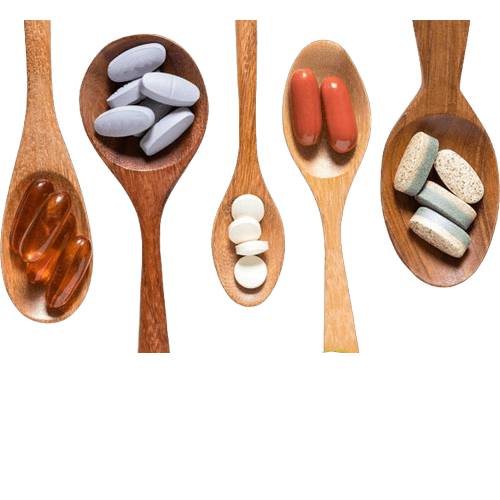
Brain supplements are a rapidly growing market, especially among adults over 50 seeking better memory, focus, and protection against cognitive decline. While some supplements show modest benefits in specific research settings, overall evidence is limited, and many products rely on marketing claims that exceed scientific and regulatory support.
Key Takeaways
- Most brain supplements lack strong scientific evidence; the Global Council on Brain Health found no credible endorsement for any dietary supplement for cognitive enhancement
- Omega-3s, B vitamins, L-theanine, bacopa, and phosphatidylserine show modest benefits in specific populations, while ginkgo biloba and vitamin D show minimal effects
- Regulatory gaps mean supplements don't require FDA approval before marketing, allowing unverified claims and inconsistent product quality
- Marketing often exaggerates benefits; clinical evidence is frequently limited or funded by manufacturers with inherent bias
- Evidence based alternatives like aerobic exercise, Mediterranean diet, cognitive training, and quality sleep outperform supplements for cognitive health
- Dietary supplements cost money and carry potential drug interactions; consult healthcare providers before starting any supplement regimen
What Are Brain Supplements and Nootropics?
Brain supplements, commonly marketed as nootropics or cognitive enhancers, encompass a broad category of dietary supplements claiming to improve mental functions including memory, focus, learning capacity, and overall brain health. These products typically contain vitamins, minerals, herbs, amino acids, or synthetic compounds purported to enhance neurotransmitter function, increase cerebral blood flow, or protect neurons from oxidative damage. Unlike pharmaceutical drugs, brain supplements are regulated as dietary supplements, meaning manufacturers are not required to demonstrate safety or efficacy before marketing.
Influence of Brain Supplements in Daily Life
The brain supplement industry has expanded rapidly as cognitive performance becomes increasingly valued in professional, academic, and personal contexts. Consumers seek these products to enhance work productivity, combat age-related cognitive decline, improve academic performance, or maintain mental sharpness. However, the gap between marketing claims and scientific evidence creates significant implications for public health and consumer decision-making.
Short and Long-Term Impacts
- Potential placebo effects may create perceived improvements in mental clarity and focus without measurable cognitive changes
- Financial expenditure on ineffective supplements diverts resources from evidence-based interventions
- Reliance on supplements may delay diagnosis of underlying medical conditions causing cognitive symptoms
- Some products contain stimulants or unapproved drugs that affect sleep, cardiovascular function, or mental health
- Long-term use of unregulated supplements carries unknown safety risks due to insufficient research
- Quality products containing evidence-based ingredients at therapeutic doses may provide modest benefits for specific populations
Key Challenges Regarding Brain Supplements
- Regulatory gaps and quality control: The FDA does not require pre-market approval for dietary supplements, allowing products containing unapproved drugs, incorrect dosages, or unlisted ingredients to reach consumers. Studies have identified brain supplements containing pharmaceuticals like picamilon and phenibut not disclosed on labels.
- Limited evidence in healthy populations: Most research demonstrating cognitive benefits involves individuals with existing deficiencies, mild cognitive impairment, or specific medical conditions rather than healthy adults seeking performance enhancement.
- Marketing claims versus scientific reality: Manufacturers frequently make broad cognitive enhancement claims not supported by rigorous clinical trials. The disconnect between advertising and evidence misleads consumers about realistic expectations.
- Individual variability in response: Genetic factors, baseline nutritional status, age, cognitive health, and lifestyle factors create substantial variation in how individuals respond to supplementation, making universal recommendations problematic.
- Potential adverse effects and interactions: Brain supplements can interact with medications, cause side effects, or contain ingredients that are addictive or dangerous in certain populations, yet consumers often perceive them as inherently safe due to their "natural" classification.
Core Components of Brain Supplements
- Omega-3 fatty acids: Primarily docosahexaenoic acid (DHA) and eicosapentaenoic acid (EPA), these essential fatty acids support neuronal membrane structure and function. Meta-analyses demonstrate moderate evidence for improvements in primary memory and visuospatial function, with dose-response relationships showing optimal effects at specific intake levels.
- B vitamins: Including B6, B12, and folate, these vitamins participate in homocysteine metabolism and neurotransmitter synthesis. Research shows that supplementation improves cognitive function primarily in individuals with documented deficiencies. In populations with adequate baseline levels, additional supplementation provides minimal cognitive benefits despite marketing claims.
- Herbal extracts: Common ingredients include ginkgo biloba, bacopa monnieri, and panax ginseng. Clinical evidence remains mixed, with some studies showing modest improvements in memory among cognitively impaired individuals when combined with pharmaceutical treatments, while systematic reviews find insufficient evidence for cognitive enhancement in healthy adults.
- Stimulants and racetams: Some supplements contain caffeine or synthetic compounds like piracetam and phenylpiracetam. Caffeine demonstrates well-established effects on attention and reaction time, while racetam drugs lack FDA approval in the United States and carry unknown safety profiles.
- Antioxidants and neuroprotective compounds: Ingredients such as curcumin, resveratrol, and various polyphenols are marketed for their antioxidant properties. While laboratory studies suggest potential neuroprotective mechanisms, translation to meaningful cognitive improvements in humans remains largely undemonstrated in rigorous clinical trials.
Causes of Cognitive Decline and Demand for Brain Supplements
The growing market for brain supplements reflects widespread concerns about cognitive function across multiple demographics. Understanding the factors driving cognitive decline helps contextualize why individuals seek supplementation and whether such products address root causes.
- Normal aging processes: Age-related changes in brain structure, neurotransmitter systems, and vascular health contribute to gradual declines in processing speed, working memory, and executive function. This creates demand for interventions promising to slow or reverse age-related cognitive changes.
- Nutritional deficiencies: Inadequate intake of omega-3 fatty acids, B vitamins, vitamin D, iron, and other nutrients impairs cognitive function through multiple mechanisms. True deficiencies warrant targeted supplementation, but most brain supplement consumers have adequate nutritional status.
- Chronic stress and sleep deprivation: Modern lifestyles characterized by high stress, insufficient sleep, and constant cognitive demands deplete mental resources. Rather than addressing these lifestyle factors, individuals may seek supplements as convenient solutions.
- Sedentary behavior and poor diet quality: Physical inactivity reduces cerebral blood flow and neuroplasticity, while diets high in processed foods and low in nutrient-dense whole foods fail to support optimal brain health. Supplements cannot compensate for fundamentally unhealthy lifestyle patterns.
- Age-related disease risk: Concerns about dementia and Alzheimer's disease motivate preventive supplement use. However, most supplements marketed for brain health have not demonstrated efficacy in preventing neurodegenerative diseases in large-scale clinical trials.
Solutions for Cognitive Health Optimization
Evidence-based approaches to cognitive enhancement prioritize lifestyle modifications with robust scientific support over supplementation with limited or uncertain benefits. These interventions address root causes of cognitive dysfunction and demonstrate sustained effects.
1. Implement Regular Physical Activity
Aerobic exercise represents one of the most well-established interventions for cognitive health across the lifespan.
- Engage in moderate-intensity aerobic exercise for 150 minutes weekly, distributed across multiple sessions
- Include activities that elevate heart rate such as brisk walking, cycling, swimming, or group fitness classes
- Incorporate resistance training twice weekly to support overall metabolic and cognitive health
- Consider activities combining physical and cognitive demands like dancing, martial arts, or team sports that require strategic thinking
2. Adopt Mediterranean or MIND Dietary Patterns
Dietary approaches emphasizing whole foods demonstrate stronger evidence for cognitive health than isolated supplements.
- Prioritize vegetables, fruits, whole grains, legumes, nuts, and seeds as dietary foundations
- Include fatty fish rich in omega-3 fatty acids twice weekly, or consider algae-based omega-3 supplements for plant-based diets
- Use extra virgin olive oil as the primary fat source
- Limit red meat, processed foods, refined sugars, and saturated fats
- Ensure adequate hydration throughout the day to support optimal brain function
3. Optimize Sleep Quality and Duration
Sleep facilitates memory consolidation, metabolite clearance, and neural recovery essential for cognitive performance.
- Maintain consistent sleep-wake schedules aligned with circadian rhythms, targeting 7-9 hours nightly
- Create sleep-conducive environments with appropriate temperature, minimal light exposure, and reduced noise
- Limit screen time and bright light exposure 2-3 hours before bedtime to preserve melatonin production
- Address sleep disorders such as sleep apnea through medical evaluation and treatment when symptoms are present
4. Engage in Cognitive Stimulation and Social Activities
Mental engagement and social connection support cognitive reserve and neural plasticity.
- Pursue intellectually stimulating activities including reading, learning new skills, playing musical instruments, or studying languages
- Engage in social interactions through community involvement, group activities, or maintaining close relationships
- Practice mindfulness meditation or other contemplative practices to enhance attention regulation and reduce stress
- Limit passive entertainment in favor of activities requiring active cognitive engagement
5. Address Nutritional Deficiencies Through Testing
Targeted supplementation addresses documented deficiencies rather than presumed needs.
- Obtain laboratory testing for vitamin B12, vitamin D, iron, and other nutrients when cognitive symptoms are present
- Supplement only identified deficiencies at appropriate therapeutic doses under medical guidance
- Consider omega-3 supplementation if dietary intake is insufficient, targeting combined EPA and DHA doses of 250-500 mg daily for general health
- Reassess nutritional status periodically to avoid both deficiency and excessive intake
Implementation of Solutions
These evidence-based interventions work synergistically through multiple biological mechanisms including enhanced neuroplasticity, improved cerebrovascular function, reduced inflammation, and optimized neurotransmitter systems. Unlike supplements with narrow or uncertain effects, lifestyle modifications address fundamental determinants of brain health and demonstrate sustained benefits across multiple cognitive domains.
Immediate Actions (Week 1-2)
- Schedule medical evaluation to assess cognitive symptoms and rule out underlying conditions
- Request laboratory testing for common nutritional deficiencies including vitamin B12, vitamin D, and thyroid function
- Begin daily 20-30 minute walks at moderate intensity
- Audit current dietary patterns and identify opportunities to increase whole food consumption
- Establish consistent sleep and wake times, including weekends
Short-Term Implementation (Month 1-3)
- Increase physical activity to 150 minutes weekly of moderate aerobic exercise
- Transition to Mediterranean or MIND dietary patterns, gradually incorporating more vegetables, whole grains, and healthy fats
- Address identified nutritional deficiencies through targeted supplementation at therapeutic doses
- Implement sleep hygiene practices including bedroom environment optimization and pre-sleep routines
- Introduce cognitive stimulation activities such as learning new skills or engaging in mentally challenging hobbies
- Reduce or eliminate ineffective brain supplements currently in use
Sustained Practices (Month 4-12)
- Maintain regular exercise routines with variety to prevent habituation
- Continue dietary patterns emphasizing nutrient-dense whole foods
- Monitor sleep quality and duration, making adjustments as needed
- Expand social engagement through community activities or group pursuits
- Practice stress management techniques including mindfulness or other evidence-based approaches
- Reassess nutritional status through follow-up testing to ensure deficiencies are resolved
- Document cognitive function changes using validated assessments or practical performance markers
Long-Term Maintenance
- Sustain established lifestyle habits while remaining flexible to adjust based on changing life circumstances
- Continue regular physical activity as a permanent lifestyle component
- Maintain dietary patterns proven effective for individual needs and preferences
- Engage in lifelong learning and cognitive challenge
- Seek medical evaluation if cognitive decline occurs despite lifestyle optimization
- Consider evidence-based interventions for specific conditions if they develop, such as cognitive behavioral therapy for persistent mental fatigue
Conclusion
Current scientific evidence does not support brain supplement use for cognitive enhancement in healthy, well-nourished individuals. While specific supplements benefit those with documented nutritional deficiencies or certain medical conditions, most marketed products lack rigorous clinical validation. Regulatory gaps allow unsafe or ineffective products to reach consumers, creating health and financial risks. Lifestyle interventions including regular physical activity, Mediterranean dietary patterns, quality sleep, and cognitive engagement demonstrate substantially stronger evidence for supporting brain health across the lifespan. Individuals concerned about cognitive function should prioritize these evidence-based approaches and consult healthcare professionals for evaluation of symptoms or nutritional status before initiating supplementation.
References
- National Institutes of Health (NIH). (2023). "B Vitamins and Cognitive Function in Aging Adults: A Three-Year Randomized Controlled Trial." NIH Clinical Trials. https://www.nih.gov/
- Global Council on Brain Health (GCBH). (2019). "Brain Health and Cognitive Impairment: Making the Evidence-Based Case for Functioning Well." GCBH Position Paper. https://www.gcbh.org/
- Malík, M., et al. (2022). "Nootropics as cognitive enhancers: Types, dosage and side effects of smart drugs." Nutrients, 11(8), 2088. https://doi.org/10.3390/nu11082088
- FDA (U.S. Food and Drug Administration). (2024). "Dietary Supplements." FDA.gov. https://www.fda.gov/food/dietary-supplements/
- Cochrane Collaboration. (2018). "Vitamin and mineral supplementation for maintaining cognitive function in cognitively healthy people in mid and late life." Cochrane Database of Systematic Reviews, 12(1), CD012931. https://www.cochrane.org/
- UCLA Health. (2024). "What's the Truth About Memory and Other Brain Supplements?" UCLA Health News. https://www.uclahealth.org/
- Stanford Medicine. (2025). "In Search of Clarity on Supplements: Five Myths Worth Busting." Stanford Medicine News. https://med.stanford.edu/
- Office of Dietary Supplement Programs (OPSS). (2023). "Nootropics: Drugs vs Dietary Supplements for Brain Health." OPSS Resources. https://www.opss.org/
- BBC Future. (2025). "The Bodybuilding Supplement That Boosts Brainpower: Creatine and Cognitive Function." BBC Future. https://www.bbc.com/future/
- Medrano, M., et al. (2022). "Acute effect of a dietary multi-ingredient nootropic as a cognitive enhancer in healthy young adults." Frontiers in Nutrition, 9, 858910. https://doi.org/10.3389/fnut.2022.858910